
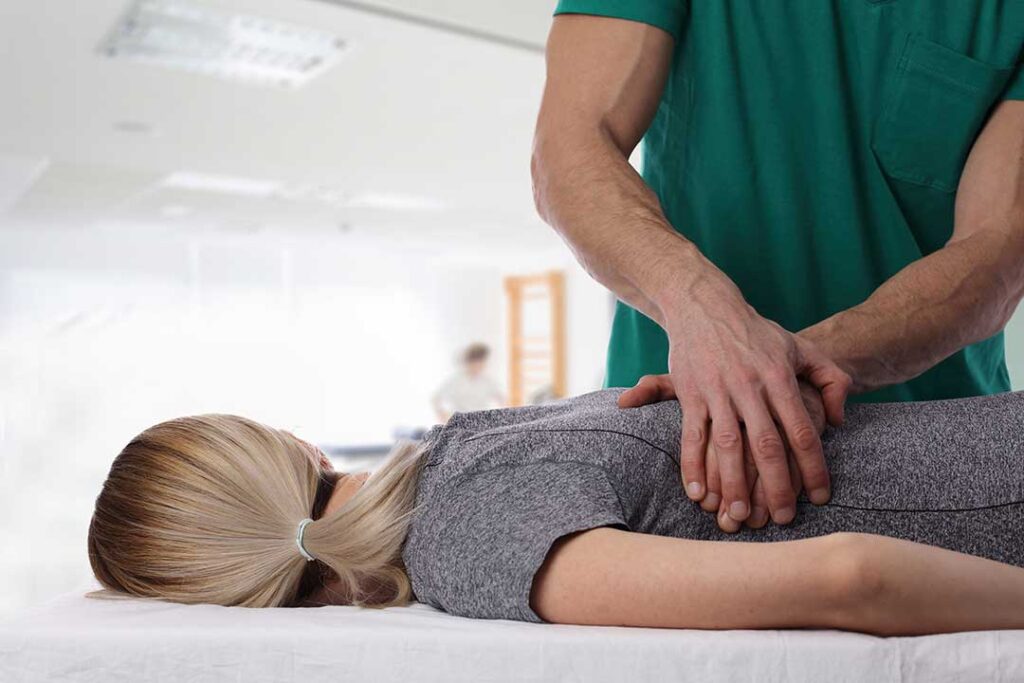
Can chiropractic adjustments relieve PMS symptoms?
Possibly, but the evidence is limited and the effect is more likely to involve muscle and joint discomfort than the hormonal changes that cause PMS. A chiropractic adjustment may temporarily ease back pain, pelvic-area muscle tension, or stiffness for some people, but it has not been established as a primary treatment for mood changes, bloating, breast tenderness, or the overall hormonal pattern of premenstrual syndrome.
PMS refers to recurring physical and emotional symptoms that appear during the one to two weeks before menstruation and improve after the period begins. Symptoms can include irritability, fatigue, headaches, abdominal discomfort, breast tenderness, bloating, food cravings, and sleep changes. A related condition called premenstrual dysphoric disorder, or PMDD, causes more severe mood symptoms and can significantly disrupt daily life. ([acog.org](https://www.acog.org/womens-health/faqs/Premenstrual-Syndrome?utm_source=openai))
Why might an adjustment help some people?
An adjustment targets the musculoskeletal system, including the spine and surrounding joints, muscles, and connective tissues. PMS can coincide with increased low-back discomfort, hip tightness, abdominal muscle guarding, or changes in posture and activity. These symptoms may also be affected by long periods of sitting, carrying children, commuting, or reduced movement during colder or wetter weather in the local area.
If a person has both PMS and mechanical back pain, treatment directed at the back or hips may make movement more comfortable. That improvement can make it easier to walk, exercise, sleep, or perform ordinary household activities. In this situation, the benefit would be addressing associated musculoskeletal pain rather than correcting a hormone imbalance.
The distinction matters: a person may feel less back tension after care without seeing a meaningful change in irritability, breast tenderness, fluid retention, or cyclical mood symptoms.
What does the research show?
Research specifically examining spinal manipulation for menstrual symptoms is small and not strong enough to show that chiropractic adjustments reliably treat PMS. The National Center for Complementary and Integrative Health notes that only a limited number of studies have examined spinal manipulation for non-musculoskeletal conditions, including menstrual cramps, and that more rigorous research is needed. ([nccih.nih.gov](https://www.nccih.nih.gov/health/spinal-manipulation-what-you-need-to-know?utm_source=openai))
This does not mean an adjustment can never be useful. It means the current evidence does not support presenting chiropractic care as a proven treatment for PMS itself. Any improvement should be judged by the person’s actual symptoms over several menstrual cycles rather than by a general claim that spinal alignment changes hormone levels or pelvic organ function.
There is also a difference between PMS and dysmenorrhea, which is pain during menstruation. Cramping that is severe, worsening, or associated with heavy bleeding may have causes that require medical evaluation, such as endometriosis, adenomyosis, fibroids, or other gynecologic conditions. ([acog.org](https://www.acog.org/womens-health/faqs/painful-periods?utm_source=openai))
Which PMS symptoms are most likely to respond?
Chiropractic care is more plausibly helpful for symptoms with a clear mechanical or muscular component, such as:
- Low-back aching
- Neck or upper-back tension associated with headaches
- Hip or pelvic-area stiffness
- Muscle tightness that worsens before or during menstruation
- Difficulty moving comfortably after prolonged sitting or reduced activity
It is less likely to directly change:
- Irritability, anxiety, or depression
- Breast tenderness
- Bloating or fluid retention
- Food cravings
- Acne
- Hormonal fluctuations
- PMDD-related mood symptoms
Some people also receive soft-tissue work, mobility exercises, breathing instruction, or advice about daily movement alongside an adjustment. Those approaches may be helpful for comfort, but they should not be confused with a treatment that changes the menstrual cycle.
What approaches have better-established support?

For mild to moderate PMS, regular aerobic activity, adequate sleep, stress-reduction practices, and balanced eating patterns may reduce symptoms. Examples include brisk walking, cycling, swimming, yoga, breathing exercises, and maintaining a consistent sleep schedule. The American College of Obstetricians and Gynecologists states that regular aerobic exercise may lessen fatigue and depressive symptoms for many people with PMS. ([acog.org](https://www.acog.org/womens-health/faqs/Premenstrual-Syndrome?utm_source=openai))
A symptom diary can help identify whether symptoms follow a predictable cycle. Record symptoms daily for at least two cycles, including:
- The date symptoms begin and end
- Pain location and severity
- Mood changes
- Sleep quality
- Bleeding pattern
- Headaches, bloating, or breast tenderness
- Medications, exercise, and major stressors
This record can help distinguish PMS from symptoms that occur throughout the month. It may also reveal that back pain is related to work posture, lifting, an old injury, or reduced winter activity rather than the menstrual cycle alone.
Over-the-counter pain relievers may help some people, but they are not appropriate for everyone. Nonsteroidal anti-inflammatory drugs, including ibuprofen, can cause stomach bleeding or ulcers and may interact with other medicines. A health care clinician or pharmacist can help determine whether a medication is safe. ([acog.org](https://www.acog.org/womens-health/faqs/Premenstrual-Syndrome?utm_source=openai))
Is chiropractic care safe during PMS?
Spinal manipulation is generally considered low risk when performed appropriately, but temporary soreness, stiffness, or headache can occur. A complete health history should be shared before treatment, including pregnancy, osteoporosis, bleeding disorders, recent injury, nerve symptoms, cancer history, and current medications. NCCIH also advises discussing health conditions and concerns with the practitioner before spinal manipulation. ([nccih.nih.gov](https://www.nccih.nih.gov/health/spinal-manipulation-what-you-need-to-know?utm_source=openai))
Care should be postponed or medically reviewed if pelvic or abdominal pain is unexplained, severe, rapidly worsening, or accompanied by fever, fainting, vomiting, unusual vaginal discharge, or very heavy bleeding. New leg weakness, loss of bladder or bowel control, or numbness around the groin requires urgent medical attention.
When should PMS symptoms be evaluated medically?
PMS deserves medical evaluation when symptoms interfere with work, school, relationships, sleep, or routine responsibilities. Persistent depression, panic, hopelessness, or thoughts of self-harm require prompt mental-health support and urgent help when safety is at risk.
A gynecologic clinician can assess for PMS, PMDD, painful periods, thyroid problems, anemia, medication effects, and other conditions that may resemble premenstrual symptoms. Treatment may include counseling, hormonal or nonhormonal medication, and lifestyle measures depending on the symptom pattern and severity. ([acog.org](https://www.acog.org/womens-health/faqs/Premenstrual-Syndrome?utm_source=openai))
For residents managing busy schedules, household responsibilities, and seasonal changes in activity, the most practical approach is often a combination: track symptoms, maintain regular movement, protect sleep, address mechanical back or hip discomfort separately, and seek medical evaluation when symptoms are severe or changing. Chiropractic adjustments may have a role for associated musculoskeletal pain, but they should be viewed as a possible comfort measure—not a proven treatment for the hormonal or emotional features of PMS.
