
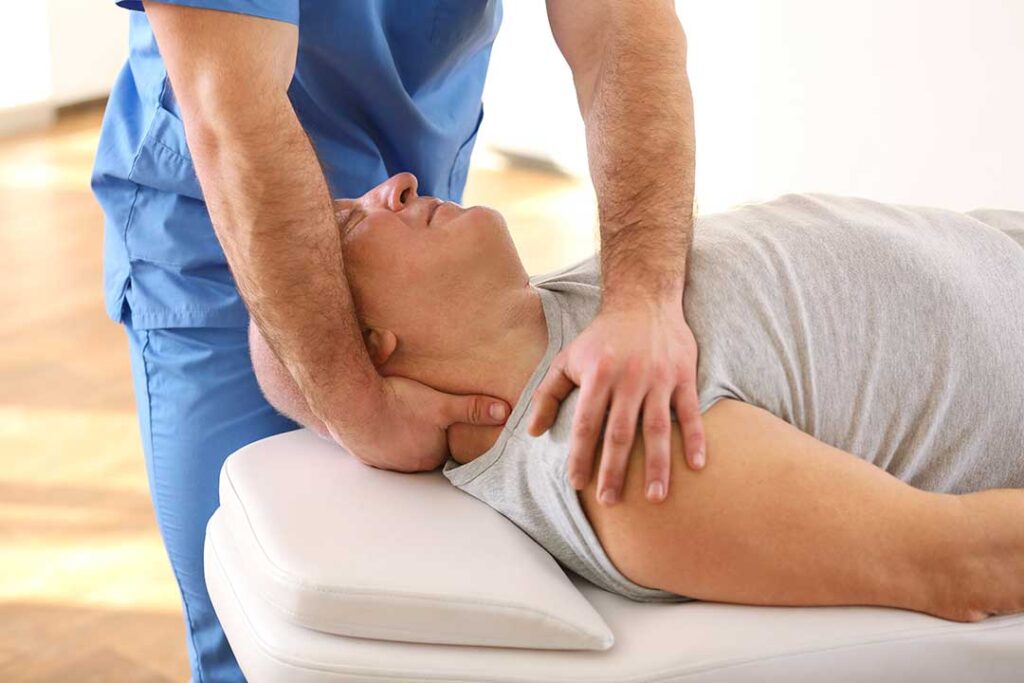
How Are Foot Pain and Spinal Alignment Connected?
Foot pain and spinal alignment are closely related because changes in how you walk or stand—due to discomfort in your feet—can alter the alignment of the spine. When foot pain causes limping or favoring one side, it disrupts the body’s natural mechanics. Over time, this altered movement places additional stress on the joints and muscles along the legs, hips, and back, sometimes leading to misalignment in the spine or pelvis.
Why Does Foot Pain Sometimes Lead to Other Aches and Posture Issues?
The connection between foot pain and aches elsewhere often begins with small changes in gait. If arches collapse or heel pain develops, residents may unknowingly put more pressure on the opposite foot, or adjust weight-bearing patterns to avoid pain. These compensation habits can cause:
- Hip pain from uneven lift or rotation while walking
- Knee discomfort from altered shock absorption
- Low back tightness from favoring one side
This chain-reaction is common in daily life—especially for those who walk frequently, work on hard surfaces, or spend long hours standing at work or during community events.
What Types of Foot Issues Most Often Influence Spinal Alignment?
Some of the most common foot issues that contribute to spinal misalignment in Port Chester households include:
- Fallen arches (flat feet)
- Plantar fasciitis (heel pain)
- Bunions and toe deformities
- Previous ankle injuries
These foot conditions change the foundation that supports the entire skeleton. For example, flat feet reduce the arch’s shock-absorbing function, causing the knees to roll inward and altering hip position. Over time, those minor shifts make it more difficult for the spine to stay balanced.
How Do Local Lifestyle and Surfaces in Port Chester Impact This Relationship?
Living in neighborhoods where residents frequently walk on a mix of pavement, concrete sidewalks, and older indoor flooring can put extra strain on feet—compared with more consistently cushioned surfaces. In Port Chester, many homes and apartment buildings feature hard floors, and spending long periods standing in kitchens, basements, or on job sites is common. Winters may also drive people to use footwear that is less supportive, increasing foot fatigue and, by extension, risk of spinal misalignment during the colder months.
Seasonal variations such as walking more in spring and summer, commuting by foot, or enjoying local parks can lead to a sudden increase in step count, revealing or worsening underlying foot issues that affect posture and back health.
What Can Residents Do to Address Foot Pain and Prevent Chain-Reaction Problems?
While persistent or severe pain should be discussed with a qualified healthcare provider, many residents can reduce the risk of secondary problems by addressing the foundation—the feet—early on. Locals can start with these practical steps:
- Wearing supportive, cushioned footwear suited to their daily activities
- Replacing worn-out shoes, especially those with flattened soles or limited arch support
- Stretching calves and foot arches regularly, especially after long days walking or standing
- Using mats or rugs in kitchens, laundry rooms, and other common areas with hard floors
- Noticing if they start to limp, shift weight, or walk differently following an injury

Being mindful of subtle, ongoing pain rather than only reacting when discomfort is severe often helps avoid the gradual build-up of compensatory habits leading to further misalignment.
Are There Misconceptions About the Link Between Feet and Spine?
Many people assume that spinal alignment is mostly determined by activities like lifting or sitting posture. While those factors matter, the role of foot mechanics is sometimes underestimated. Common misconceptions include:
- “Foot pain is a minor nuisance—just ignore it.” (Ignoring it can set off a domino effect through the legs and spine.)
- “Only people with obvious deformities or injuries develop posture problems.” (Even mild arch changes or old ankle sprains can have an impact.)
- “Good shoes solve everything.” (Footwear is important, but personal foot structure and biomechanics matter as well.)
Understanding the domino effect between feet, knees, hips, and the back is especially important in community settings where people spend a lot of time on their feet, participate in neighborhood walks, or have jobs that require long shifts standing.
When Should Residents Seek Further Guidance?
If attempts to resolve foot pain with rest, stretching, or footwear changes don’t reduce symptoms after several weeks, community members might benefit from further evaluation. Warning signs can include:
- Sudden, severe, or persistent pain
- Numbness, tingling, or weakness in the legs or feet
- Trouble standing upright, or feeling off-balance
- New or worsening pain in the back, knees, or hips that seems linked to foot discomfort
Prompt attention to these signs can prevent more complex musculoskeletal issues from developing, especially for those whose daily lives require a lot of walking and standing across the area.
