
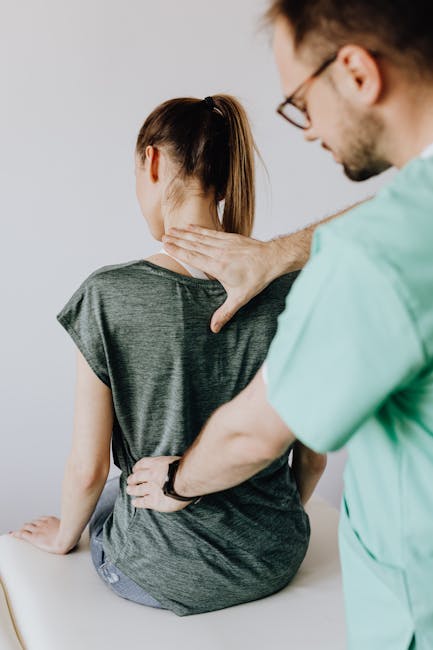
Living in Port Chester, New York, means juggling a demanding lifestyle that blends long work hours, busy commutes, and a packed social calendar. Amid this hustle, many residents experience nagging aches and pains, particularly in the jaw and neck. Many never consider that these symptoms could be signs of interconnected issues in the body’s musculoskeletal system. One question that often arises in chiropractic care is: Can jaw pain be linked to spinal health? Let’s dive into this important topic, drawing on both clinical insight and the daily realities of life here in Port Chester.
Understanding Jaw Pain: More Than a Local Problem
When people feel pain in their jaw—often called temporomandibular joint (TMJ) dysfunction—they naturally suspect a local issue such as dental problems, nighttime teeth grinding (bruxism), or arthritis. However, it’s crucial to recognize that the jaw doesn’t function in isolation. As residents of a fast-paced place like Port Chester, many locals experience jaw tension due to stress, which can be exacerbated by postural habits influenced by modern work environments.
- Common symptoms of TMJ dysfunction include jaw clicking, pain with chewing, facial tenderness, headaches, neck stiffness, and even earaches.
What often goes overlooked is the relationship between the jaw, neck, and spine.
How the Jaw and Spine Communicate
The jaw sits just below the skull and hinges at the temporomandibular joint. Its function is closely integrated with other muscles and nerves that extend down the neck and into the upper spine. Here’s how:
- The nerves that control jaw movements interconnect with the cervical (neck) spine through the trigeminal nerve and other neural pathways.
- Tight jaw muscles can cause compensatory muscle tension in the neck, shoulders, and upper back.
- Poor posture, such as slouching at a desk or staring at a phone—both common in Port Chester’s modern workforce—places abnormal strain on the cervical spine, which can influence how the jaw moves and feels.
In simple terms, a misalignment or dysfunction in the spinal segments of the neck can directly impact the jaw, and vice versa.
Why Spinal Health Matters for Jaw Pain
When the spine, especially in the cervical (neck) region, is out of alignment, it can lead to:
- Nerve irritation or compression, affecting sensation and function in the jaw
- Muscle imbalances, where the muscles controlling the jaw and neck become overly tense or weak
- Compromised posture and increased likelihood of TMJ dysfunction or exacerbated jaw pain
In Port Chester, many people commute into New York City, spending hours in cars or trains. Prolonged sitting with poor posture often leads to spinal misalignments and muscular imbalances, which can indirectly present as jaw pain or tension.
Signs Your Jaw Pain Could Be Related to the Spine
If you live in Port Chester and are experiencing persistent jaw pain, consider these questions:
- Do you also have neck pain, tension headaches, or shoulder discomfort?
- Do you notice your jaw pain is worse after working at a desk or after stressful days?
- Have you had previous injuries to your neck or head, such as whiplash?
- Do you clench your jaw or grind your teeth, especially under stress?
If you answered yes to any of these, your jaw pain may be more than a dental issue—it could be connected to your spinal health.
What Can a Chiropractor Do?
Chiropractic care is uniquely positioned to address both spinal and jaw concerns because chiropractors specialize in the musculoskeletal and nervous systems. Here’s how a chiropractor might address jaw and spinal issues together:
- Thorough Assessment: Chiropractors perform a comprehensive evaluation of posture, spinal alignment, jaw mechanics, and muscle function.
- Spinal Adjustments: Gentle adjustments can restore proper alignment to the cervical spine, reducing nerve irritation and muscle tension that may affect the jaw.
- Jaw Mobilization: Some chiropractors are trained to perform specific adjustments or mobilizations to the TMJ itself.
- Postural Coaching: Practical advice to help Port Chester residents improve workstation ergonomics, commute smartly, and reduce postural strain during daily activities.
- Exercises and Stretches: Home care routines that promote relaxation and balance in the muscles supporting the jaw and neck.
Port Chester’s Lifestyle and Its Impact
Life in Port Chester offers so many perks—easy transit links, a vibrant restaurant scene, and access to Long Island Sound—but these benefits come with challenges for your musculoskeletal system:
- Commuter Stress: Long hours in transit or at the office can reinforce poor posture and spinal misalignments, increasing jaw tension.
- Restaurant Service Industry: Many locals work in restaurants or retail, jobs that require long periods of standing, talking, or carrying loads—each of which impacts posture, spinal alignment, and jaw tension.
- High Stress, Fast Pace: The hustle can ramp up nighttime teeth grinding and jaw clenching, especially if local residents don’t proactively manage stress.
For Port Chester residents, maintaining spinal health isn’t just about comfort—it’s about staying resilient and active through all that local life demands.
Practical Steps for Prevention and Healing
If you find yourself dealing with jaw discomfort and suspect it’s related to your neck or spine, here are some actionable steps:
- Practice regular stretching—especially for the neck, shoulders, and jaw.
- Adjust your workstation to support upright posture.
- Take frequent breaks when commuting or working at a computer.
- Manage stress with breathwork, meditation, or gentle exercise.
- Seek out a chiropractic evaluation for a holistic assessment of your jaw and spinal health.
Conclusion
Jaw pain is more than just a dental or stress-related issue. For residents of Port Chester, New York, it can be a sign of underlying complications in the spine, especially if it’s paired with other musculoskeletal symptoms. Addressing spinal health through chiropractic care not only relieves jaw discomfort but also enhances your overall quality of life, helping you thrive in the heart of Westchester County.
